
Flags & Garden Flags
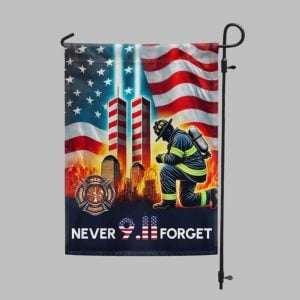
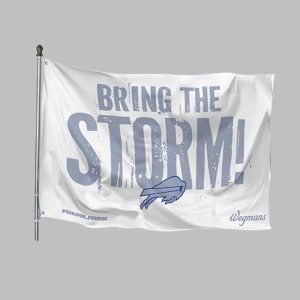
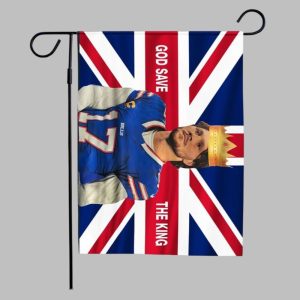
Flags and garden flags for fans, celebrating championships, rivalries, player tributes and patriotic dates.
A flag is the only product here that is meant to be looked at from both directions while moving, outdoors, in weather. That combination creates one design problem and one durability problem, and both are worth understanding before you buy, because neither is obvious from a product photograph.
One Fabric, Two Faces, One Mirrored
On a single-layer flag the design is printed through the fabric, so the reverse is a mirror image of the front. For symmetrical designs nobody notices. For anything containing text, the wording reads backwards from one side. This is normal single-layer construction rather than a fault. Double-sided flags solve it by using two layers with a blocking liner between them, which costs more and adds weight. If the design has words and both sides will be seen, that is the construction to look for.
The Fly Edge Wears Out First
The free edge furthest from the pole, called the fly, moves fastest and hardest. That is where fraying always starts, and it is why reinforced stitching along that edge matters far more than anything on the rest of the flag. A flag flown continuously in an exposed position will fray there within a season regardless of quality; taking it down in high wind is the only real remedy.
Sun and Wind Do the Real Damage
Ultraviolet light breaks down dye, and constant motion abrades fibres against themselves. A flag flown year-round outdoors is consuming itself, slowly. Rotating two flags, or only flying one for occasions, doubles or triples the life of both. Indoors, none of this applies and a flag lasts effectively indefinitely.
Grommets, Sleeves and How It Mounts
Most outdoor flags use metal grommets along the pole edge and attach with clips; a pole sleeve slides over a pole instead and suits garden and wall poles. These are not interchangeable, so check which fixing a product has against the pole you already own. Getting this wrong is the most common practical complaint in the category.
Indoor Display Is a Different Product
Used as a wall hanging in a room, a flag has no wind or sun to contend with, which changes the priorities completely: single-layer is fine, the fly edge is irrelevant, and detail survives because it is seen up close and static. For a room, though, a stretched piece from posters and canvases usually looks more finished than fabric pinned to a wall.
Where This Sits in the Catalogue
Flags are part of home and living, as display items rather than clothing. They are bought most often for the commemorative and celebratory dates: Independence Day, Memorial Day, Veterans Day, Pride and St Patrick’s Day, all of which sit under holiday apparel. Team and venue display is covered in sports apparel and larger quantities in stadium giveaways. New designs appear in trending today, and exchanges follow our return and refund policy.
Fashion Trending Top




Home & Living
Home & Living
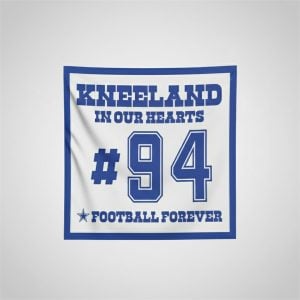

Home & Living
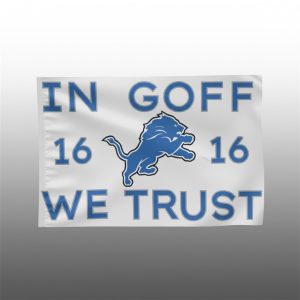
Home & Living
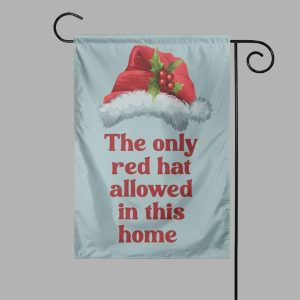
Home & Living
FAQ
Because a single-layer flag is printed through the fabric, making the reverse a mirror image. That is normal construction. Double-sided flags use two layers with a blocking liner between them to avoid it.
The fly edge, the free edge furthest from the pole. It moves fastest and hardest, so fraying always starts there and reinforced stitching on that edge matters most.
Less than people expect if flown continuously. Ultraviolet light breaks down dye and constant motion abrades the fibres. Rotating two flags, or flying one only for occasions, greatly extends both.
Check the fixing. Grommets attach with clips; a pole sleeve slides over the pole. They are not interchangeable, and mismatched fixings are the most common complaint here.
Yes. Indoors there is no wind or sun, the fly edge is irrelevant, and fine detail survives because it is seen close up and static.
Yes, if you want it to last. High wind is what destroys the fly edge, and no construction prevents that entirely.
For a room a stretched canvas usually looks more finished. Fabric pinned to a wall tends to sag and crease, whereas a canvas hangs flat.