
Fashion Trending Top

Home & Living
Fashion Trending Top

Home & Living


FAQ
Because a single-layer flag is printed through the fabric, making the reverse a mirror image. That is normal construction. Double-sided flags use two layers with a blocking liner between them to avoid it.
The fly edge, the free edge furthest from the pole. It moves fastest and hardest, so fraying always starts there and reinforced stitching on that edge matters most.
Less than people expect if flown continuously. Ultraviolet light breaks down dye and constant motion abrades the fibres. Rotating two flags, or flying one only for occasions, greatly extends both.
Check the fixing. Grommets attach with clips; a pole sleeve slides over the pole. They are not interchangeable, and mismatched fixings are the most common complaint here.
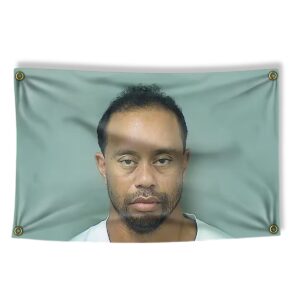
Yes. Indoors there is no wind or sun, the fly edge is irrelevant, and fine detail survives because it is seen close up and static.
Yes, if you want it to last. High wind is what destroys the fly edge, and no construction prevents that entirely.
For a room a stretched canvas usually looks more finished. Fabric pinned to a wall tends to sag and crease, whereas a canvas hangs flat.