2D Clothing — Graphic Tees, Sweatshirts & Hoodies
Graphic tees, sweatshirts and hoodies with the design printed on the front or back, covering game-day reactions, viral quotes and fan jokes, with new designs landing every week.
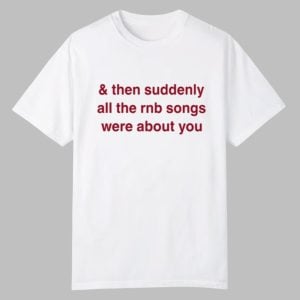
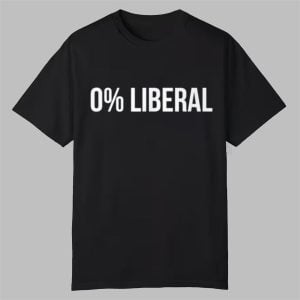
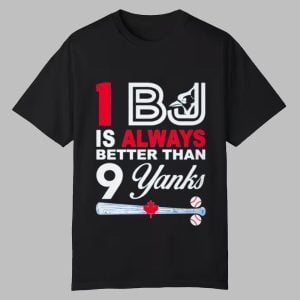
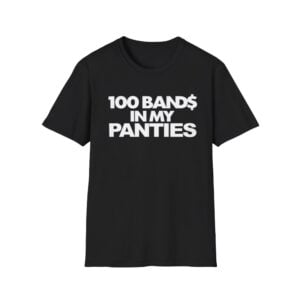
Panel printing puts the artwork on the front, the back, or both, and leaves the rest of the garment as solid colour. It is the largest part of our range and the part most people mean when they say graphic tee.
What decides whether one of these works is rarely the design itself. It is where the design sits and how big it is.
Where the Print Sits on the Body
Three standard positions, and each says something different.
Chest. A small mark high on the left or centred just below the collar. Quiet. Recognised by people looking for it, invisible to everyone else. This is the placement for a reference you want to wear to work.
Full front. Artwork filling the torso from below the collar to the waist. Loud by design, and the placement most affected by neckline shape — a wider crew opening eats into the top of the image, so designs meant for full front leave headroom.
Back. The largest uninterrupted panel on any garment, and the only one the wearer never sees. Good for detailed work that rewards a long look, which is why it suits event and tour designs.
Scale Changes the Message
The same artwork at two sizes is two different products. This is ordinary graphic design logic applied to a body rather than a page.
Enlarge a small mark and it stops reading as a detail and starts reading as a statement — fine for a party, wrong for a Tuesday. Shrink a busy scene and the detail collapses into noise. When a design exists at only one size in our range, that is usually because it only works at one size.
If you want the artwork to cover the whole piece rather than a panel, that is a different production method entirely — see 3D Clothing.
Why Leaving Fabric Plain Is an Advantage
An all-over print has to be seen whole to make sense. A panel print does not, and that single difference is why this collection is the most wearable part of the range.
It survives being half-covered. Under an open jacket, behind a bag strap, sitting at a table with the lower half out of view — the piece still works because the solid ground carries it. It also sits next to plain clothes in a wardrobe without fighting them.
The practical version: buy panel prints for the days you have not planned, and full prints for the days you have.
Ink, Fibre and Why the Dryer Is the Problem
Panel artwork is applied to a finished garment, so unlike screen printing with its thick surface layer, ours is absorbed into the fibres and keeps the fabric soft and breathable.
That absorption is also why heat matters more than detergent. Ink sitting in cotton fibre expands and contracts with the fibre; a hot tumble cycle does that violently and repeatedly, and cracking follows. Cold water, garment inside out, hung to dry, and never an iron directly on the panel.
Related Cuts in the Range
Same panel-print approach, different shapes:
- Polo Shirt — collared, and the smallest print area here, so chest placement only.
- Hat — the most restrictive surface of all. Short text or a single mark, nothing detailed.
- Baseball Jackets — back panel work, worn over a printed tee rather than instead of one.
And where a full-coverage cut suits the design better: Hawaiian Shirt, Jersey, Pajama.
Where This Sits in the Range
The full clothing catalogue is under Apparel. To browse by design instead of by cut, start at Full Catalog, or see the week just gone in Trending Shirts.
Measurements are on our size chart, delivery windows on Shipping Info, and exchanges under our Return & Refund policy.


2D Clothing

2D Clothing
2D Clothing

2D Clothing

2D Clothing

2D Clothing

2D Clothing

Apparel
FAQ
Chest, full front, or back, depending on the piece. Chest placement is a small quiet mark; full front fills the torso; back gives the largest uninterrupted panel. The product photo shows the actual placement for each design.
Depends where you will wear it. A chest mark reads as a detail and passes anywhere. A full front reads as a statement and suits events more than ordinary days. The same artwork at two sizes is effectively two different products.
Because they only work at one size. Enlarge a fine detail and it becomes a statement piece; shrink a busy scene and the detail collapses into noise. We list the size that holds up rather than offering every option.
Yes, and it is the main advantage of this collection. Solid fabric surrounds the artwork, so the piece still works when half of it is covered. An all-over print needs to be seen whole to make sense; these do not.
No raised layer. The ink is absorbed into the fibres rather than sitting on the surface as a thick film, so the fabric stays soft and breathable across the printed area as well as the plain.
Heat and tumbling, not washing. Ink held inside cotton fibre expands and contracts with the fibre, and a hot dryer does that violently. Cold wash, inside out, hung to dry, and no iron on the panel.
A Hat, then a Polo Shirt. Both take short text or a single mark well and detailed artwork badly, so complex designs are better on a tee or sweatshirt.