
Graphic Polo Shirts
Polo shirts for championship celebrations, golf majors and ballpark Father’s Day giveaways, plus Halloween and wildlife designs.
A polo is the only shirt in this catalogue that arrives with a collar, a placket and two or three buttons. That sounds like a small difference from a t-shirt. It is not. Those three features cut the printable surface into separate pieces and change how the garment sits on the shoulders, so a design that works on a tee often has to be redrawn to work here.
The Collar Changes What a Print Can Do
On a t-shirt the chest is one uninterrupted panel. On a polo shirt that same area is broken by a vertical placket running down the centre, usually 12 to 15 cm long. Anything crossing it will be interrupted, and the button stitching sits proud of the fabric. This is why most designs here are placed off-centre, on the left chest, or kept below the placket entirely. If you want a large centred graphic, the flat panels of a 2D graphic tee are the better surface.
Pique Knit Is a Textured Surface, Not a Flat One
Piqué is a knit with a raised waffle texture, and it is what most polos are made from. The texture is the reason a polo holds its shape better than a smooth jersey. It also means fine detail loses a little crispness: hairline strokes and small text sit across raised and recessed areas rather than on a flat plane. Bold shapes and solid blocks read cleanly. Text under roughly 8 mm tall does not. Smooth jersey polos exist and hold detail better, but they drape more like a tee.
Polos Are Cut Closer Than a T-Shirt
This is the single most common sizing surprise. A polo is drafted closer through the chest and upper arm than a t-shirt of the same labelled size, because it is meant to look tidy rather than relaxed. If you normally wear a relaxed tee, expect a polo in the same size to feel fitted. Check the garment measurements on the product page rather than assuming your usual letter. The opposite problem applies to a fan jersey, which is drafted deliberately wide.
Where a Polo Gets You Through the Door
The practical reason to own one is dress code. A collar is what separates “casual” from “smart casual” in most workplaces, restaurants and clubhouses, and a polo is the least formal garment that still clears that bar. It is the piece that works for a round of golf, a client lunch and a family photo without changing. A graphic tee from our full catalog will not do that job, however good the print is.
Keeping the Collar From Curling
A curled collar is what makes a polo look worn out, and it is almost always a drying problem rather than a washing one. Lay the shirt flat or hang it on a wide hanger; do not peg it by the collar, and keep it out of a hot tumble dryer. Wash cool and inside out to protect the print. The knit structure recovers well if you never let it dry crumpled.
Where This Sits in the Catalogue
Polos sit between the relaxed and the structured ends of the apparel range. If you want more room and a bigger print area, look at 3D clothing or a Hawaiian shirt, which also has a collar but a far looser cut. For layering over the top there are baseball jackets. To finish an outfit, hats and slide sandals. Seasonal designs live under holiday apparel, and newest arrivals across every cut appear in trending today. Sizing questions are covered on each product page, and exchanges are handled under our return and refund policy.

3D Clothing
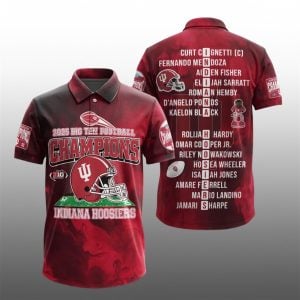
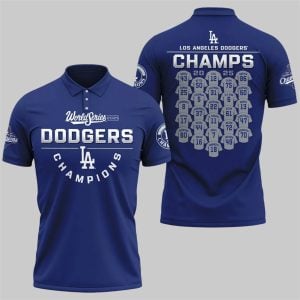
3D Clothing
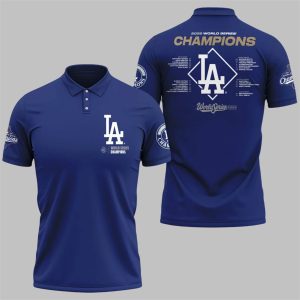
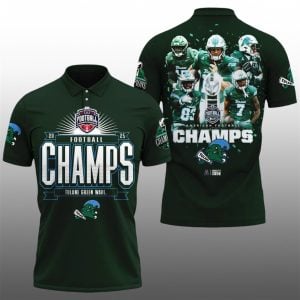

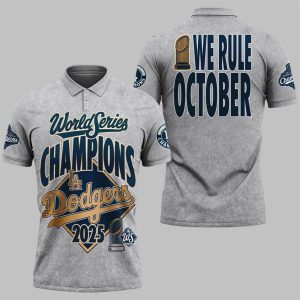
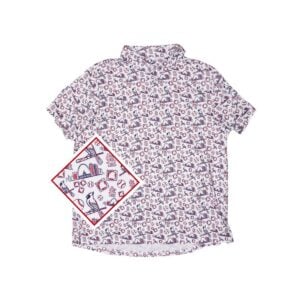
Fashion Trending Top
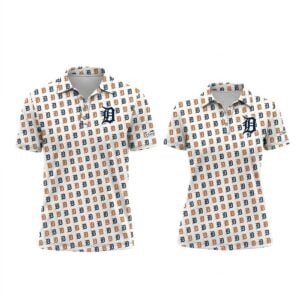
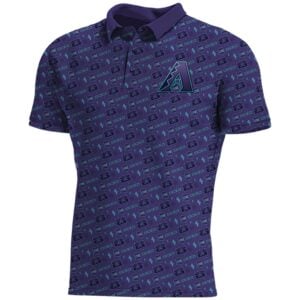
Fashion Trending Top

FAQ
Usually no. Polos are drafted closer through the chest and upper arm than a t-shirt of the same letter size. If you wear a relaxed tee, the same size polo will feel fitted. Read the garment measurements on the product page before choosing.
It can be printed that way but it will not look clean. The placket sits proud of the surrounding fabric and the button stitching interrupts any line crossing it. Designs here are placed off-centre, on the left chest, or below the placket instead.
Pique knit has a raised waffle texture, so fine strokes sit across high and low points rather than on a flat plane. Solid shapes read cleanly. Text below roughly 8 mm tall loses definition.
Dry it flat or on a wide hanger, never pegged by the collar, and keep it out of a hot dryer. Curling is a drying problem far more often than a washing one, and the knit recovers if it never dries crumpled.
Often yes. A collar is what most smart-casual dress codes actually check for, which is why a polo clears the bar in workplaces, restaurants and clubhouses where a graphic tee does not.
Not a polo. The placket splits the centre chest. Choose a flat-panel printed shirt or a full-coverage cut, both of which give you an uninterrupted surface.
Cool water, inside out, and no hot tumble drying. That protects both the print and the knit structure that keeps the collar and shoulders in shape.