
Printed Blankets and Why the Size Names Mislead
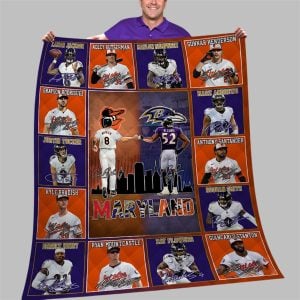
More returns happen in this category for one reason than for all others combined: the blanket arrived smaller than the buyer pictured. That is almost never a manufacturing problem. It is that the words used for blanket sizes are not standards, and two products with the same label can differ by thirty centimetres or more.
Throw, Twin, Queen — None of These Are Standards
Unlike clothing, where letter sizes at least follow rough conventions, blanket naming is genuinely inconsistent across makers. “Throw” is the worst offender: it describes intent rather than a measurement, and can mean anything from a small lap cover to something that comfortably covers two people. Ignore the name entirely and read the dimensions in centimetres or inches on the product page. That one habit removes most disappointment here.
Measure the Furniture, Not the Person
A blanket is sized against an object rather than a body, so the useful measurement is the thing it will sit on. For a sofa, measure across the seat where it will be draped. For a bed, measure the mattress width and add the overhang you want on each side, remembering that a blanket meant to tuck in needs considerably more than one meant to sit on top. Bed-specific sizing is covered properly under printed bedding sets.
Fleece Weight Decides Warmth
Polar fleece is graded by weight, and heavier means warmer and also bulkier and slower to dry. A light fleece is a year-round sofa blanket; a heavy one is a winter item that will be too warm for much of the year. Sherpa-backed constructions are warmer again because the pile traps more air, at the cost of packing down less easily.
Printed on One Side
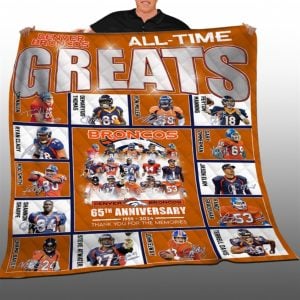
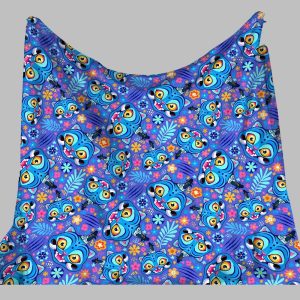
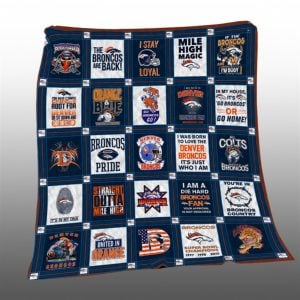
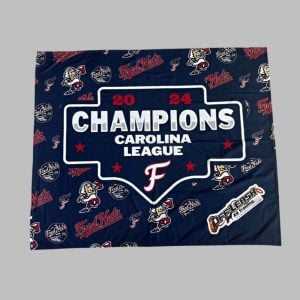
On most constructions the design is printed on one face and the reverse is plain or textured. This is normal rather than a shortcut, and it is worth knowing before you buy something you intend to drape so that both sides show. If the blanket will hang over the arm of a sofa, decide which face will be visible.
Washing Without Losing the Loft
Fleece is damaged by heat rather than by water. Wash cool, skip fabric softener, which coats the fibres and flattens the pile, and either air dry or use the lowest tumble setting. A fleece that has been dried hot never fully recovers its softness, and the print suffers at the same time.
Where This Sits in the Catalogue
Blankets belong to home and living alongside other household items rather than clothing. Because they have no size in the clothing sense, they are a reliable gift, which is why they appear in Christmas and Mother’s Day selections. For a matching evening on the sofa there are printed pyjamas and printed mugs. Larger quantities are handled in stadium giveaways. New designs appear in trending today, and exchanges follow our return and refund policy.

Home & Living
Home & Living

Home & Living
Home & Living


Home & Living

Home & Living

FAQ
Almost always because the size name misled. Blanket naming is not standardised, and two products both called a throw can differ by thirty centimetres. Read the dimensions rather than the name.
Nothing measurable. It describes intent rather than a size, and ranges from a small lap cover to something that covers two people. Treat it as a hint, not a specification.
Measure the furniture. For a sofa, measure across the seat where it will be draped. For a bed, measure the mattress width and add the overhang you want on each side.
No. Heavier is warmer but also bulkier and slower to dry. A light fleece works year round; a heavy one will be too warm for much of the year.
Usually one side only, with the reverse plain or textured. Worth knowing if you plan to drape it over a sofa arm where both faces might show.
Wash cool, skip fabric softener, and air dry or use the lowest tumble setting. Softener coats the fibres and flattens the pile, and heat damage does not reverse.
A deeper pile on the reverse face that traps more air, so it is warmer than plain fleece. The trade-off is that it packs down less easily and takes longer to dry.