
News
Jimmy Kimmel’s Fiery Stand: Exposing the Truth Behind the ICE Shooting of Renee Nicole Good
Jan
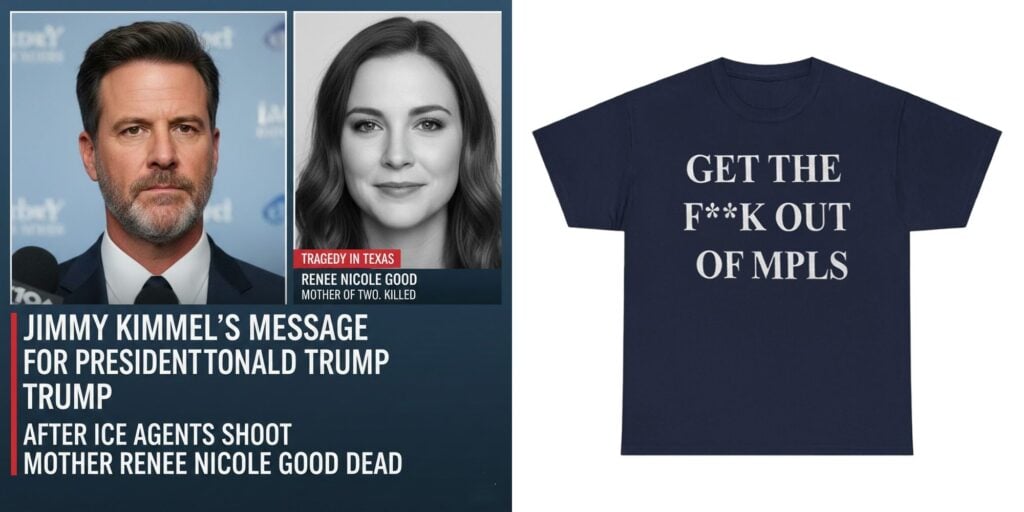
Jimmy Kimmel unleashed a bold critique of President Donald Trump following the fatal shooting of Renee Nicole Good by ICE agents in Minneapolis, turning a tragic incident into a national firestorm. This late-night monologue highlighted deep divisions over law enforcement tactics and immigration policy under Trump’s administration.
The Incident Unraveled
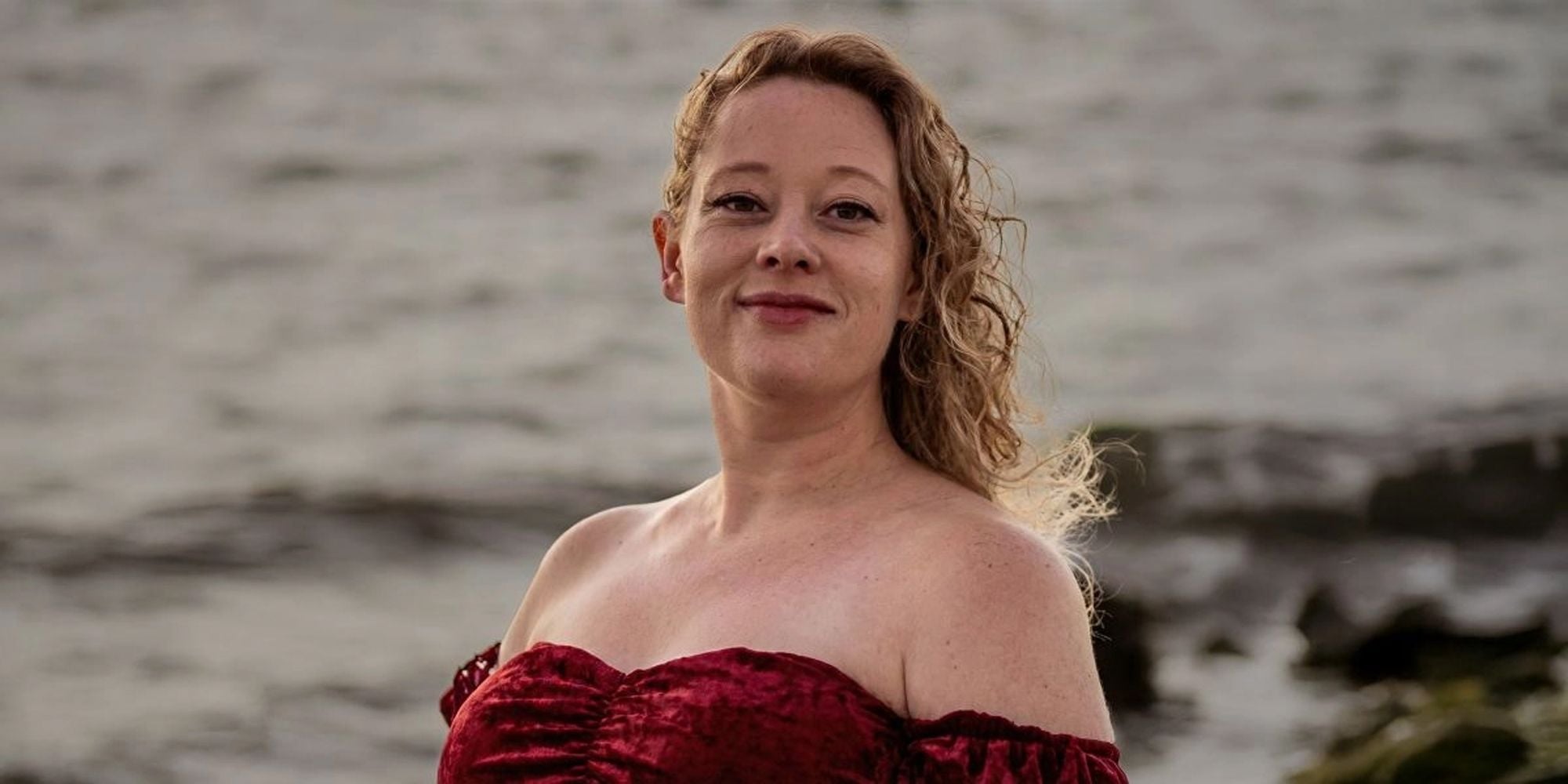
Renee Nicole Good, a 37-year-old mother of three, died in her Honda SUV after an encounter with ICE agents on a Minneapolis street. Video footage captures masked officers approaching her stopped vehicle, one grabbing the door handle while ordering her out. As she reversed briefly then drove forward to leave, a third agent fired three shots, the last through her window, even after her bumper appeared to clear him. The agent claimed self-defense, alleging Good tried to ram him in an act of “domestic terrorism,” though bystander videos show no clear contact, and he remained on his feet.
This event unfolded amid Trump’s deployment of 2,000 federal officers to Minneapolis, dubbed the Department of Homeland Security’s “largest operation ever,” aimed at quelling unrest. Good’s family called it murder, while DHS officials, including Secretary Kristi Noem, backed the agent, noting he was hospitalized and released. Minnesota law permits deadly force only if reasonably necessary to prevent imminent death or serious harm, a standard now under federal scrutiny after the FBI took sole control of the investigation.
Kimmel’s Monologue Ignites Debate
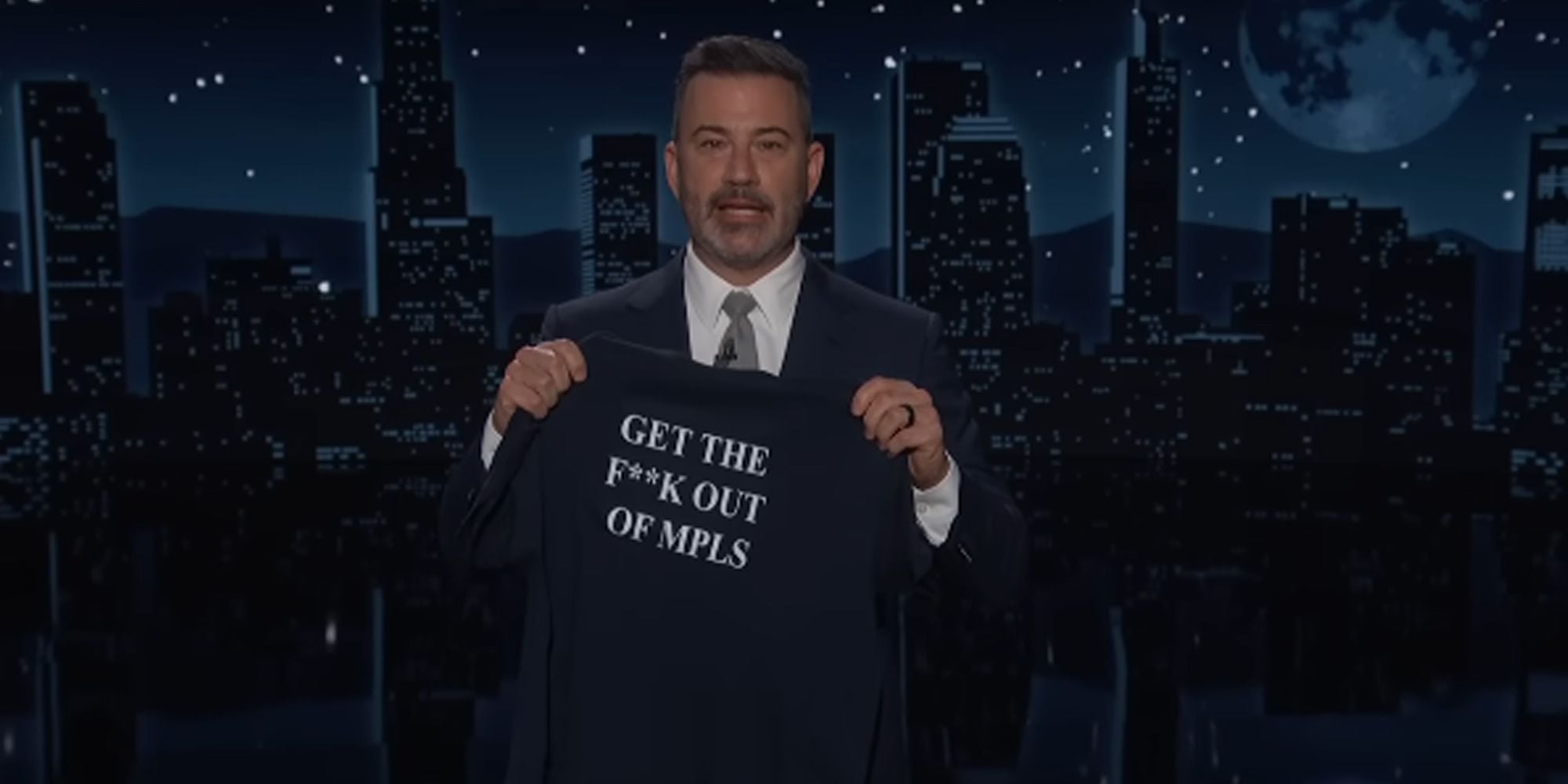
On Jimmy Kimmel Live!, the host disputed the official narrative, stating the video showed a scared woman driving away, not an attack: “It didn’t look like anybody got run over to me. It looked to me like a woman got scared, tried to drive away, and they shot her.” Kimmel branded Trump a “maniac” for his Truth Social post defending the shooting, where the president called Good “very disorderly” and “viciously” assaultive. Holding up a T-shirt reading “Get the f*** out of MPLS“—echoing Minneapolis Mayor Jacob Frey’s words—Kimmel amplified the mayor’s plea and extended it nationwide.
Kimmel’s return followed a September hiatus after backlash over comments on conservative Charlie Kirk, negotiated with ABC and Disney. His pointed display challenged Trump’s framing of the woman as a “professional agitator,” urging courts to decide the facts.
Trump’s Response and Broader Context
Trump labeled the video “horrible” on Truth Social, aligning with DHS’s self-defense claim amid accusations of domestic terrorism. Mayor Frey rejected this based on videos contradicting the account, fueling protests and scrutiny of federal overreach in cities. Critics see this as part of aggressive immigration enforcement escalated since Trump’s 2025 inauguration, with operations targeting urban areas.
Public reaction split sharply: supporters praise officer safety, while opponents decry excessive force against a mother, questioning if fear alone justified lethal shots. The FBI’s solo probe raises transparency concerns, as Minnesota’s Bureau of Criminal Apprehension steps back.
Implications for Policing and Politics
This shooting exposes tensions in Trump’s immigration crackdown, where federal agents operate in tense urban settings, often clashing with local leaders like Frey. Legal battles loom over use-of-force standards, potentially setting precedents for ICE nationwide. Kimmel’s platform amplifies these debates, blending entertainment with activism to challenge power.
| Aspect | Official Narrative | Critics’ View |
| Vehicle Movement | Attempted ramming as “domestic terrorism” | Scared driver fleeing scene |
| Officer Injury | Hospitalized, released | No visible contact, stayed on feet |
| Shots Fired | Self-defense necessity | Unnecessary after bumper cleared |
| Investigation | FBI sole control | Questions on transparency |
The case tests federal versus state authority, with Minneapolis embodying resistance to Trump’s policies.
Broader Implications: Immigration, Power, and Protest
This shooting underscores Trump’s 2026 immigration push: mass deportations via unprecedented DHS ops. Critics see militarized policing in urban cores; supporters, necessary enforcement. Minnesota’s Criminal Apprehension Bureau stepped back as FBI dominates, raising impartiality fears.
Kimmel’s stand revives late-night’s role as truth-teller, post his 2024 election “closing argument” imagining a Trump-free world. In 2026’s polarized climate, his T-shirt stunt – profane yet poignant – galvanizes dissent.
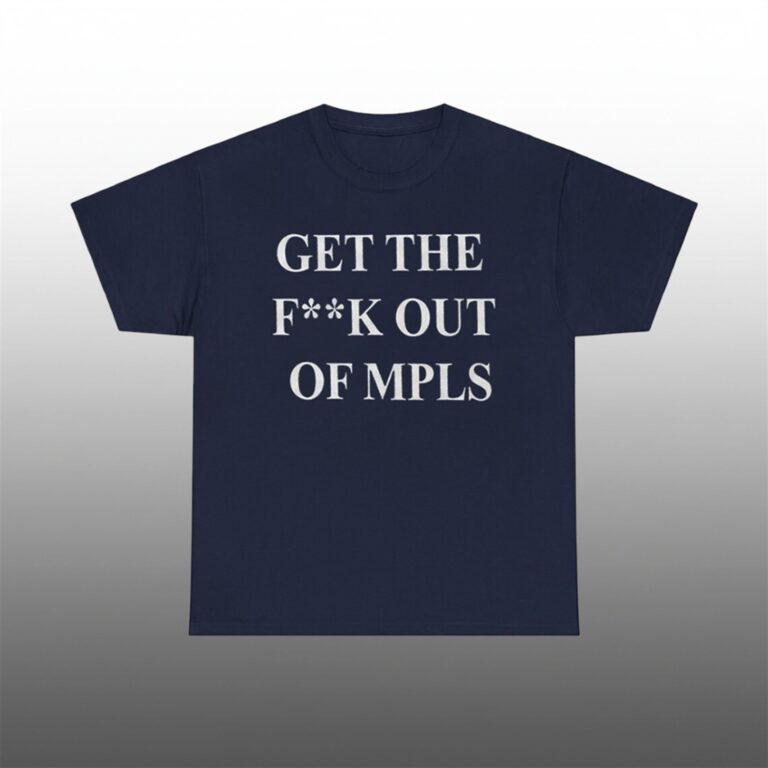
Want to wear your stance? Get the “Jimmy Kimmel Get the F* Out MPLS” shirt, click here.
Why This Matters Now
As January 2026 unfolds, Good’s death – ruled justifiable or not – tests use-of-force standards under federal and state law. Kimmel’s megaphone forces national reckoning: Is ICE’s expansion protecting agents or endangering innocents? With Trump doubling down, expect more clashes, monologues, and merchandise-fueled movements.
